Insights



Key Takeaways
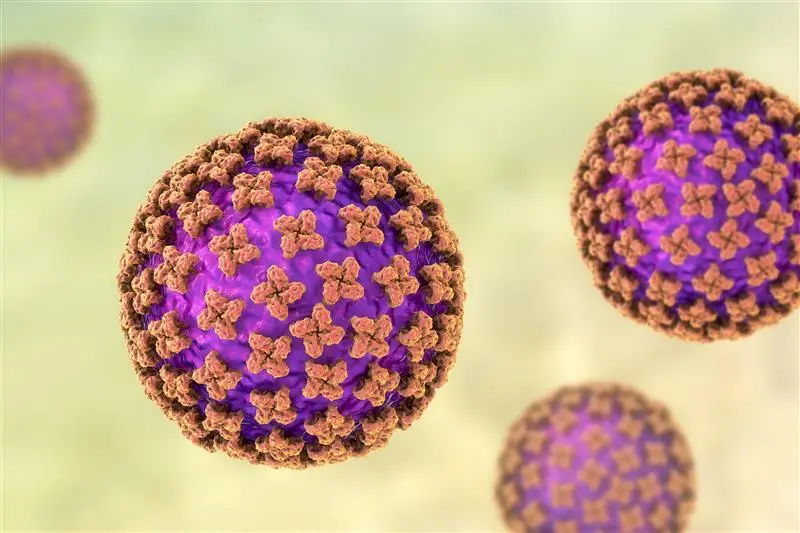
The Andes virus is unique among hantaviruses. It is the only known hantavirus with documented human-to-human transmission.
Early detection and rapid outbreak response are critical. Cross-border collaboration and rapid diagnostics help contain outbreaks before they escalate.
The current global risk remains low. Health officials have identified and contained cases quickly, limiting the potential for widespread transmission.
Over the past few weeks, news began to spread about a dangerous virus detected on a cruise ship traveling from Argentina to Cape Verde. Most recently, health officials have reported eight cases, including three deaths associated with this outbreak.
We sat down with RTI epidemiologists Claire Quiner and Lauren Courtney to talk about what hantavirus is and whether the concern about global disease spread is warranted. Below, they share their deep expertise in infectious disease surveillance, pathogen discovery, and global health security built on decades of experience strengthening systems to rapidly detect and respond to emerging outbreaks.
What is hantavirus and how is it spread?
Hantaviruses are members of the Hantaviridae family, and they are primarily transmitted to humans through aerosolized (airborne droplets of) urine and feces from infected rodents. The geographic distribution of these viruses is largely determined by the ecological requirements of their rodent reservoirs, or carriers, and human cases are therefore typically confined to those regions where these rodent species live.
In the ongoing cruise ship outbreak, health officials have identified the specific hantavirus as the Andes virus, which is the only hantavirus that has documented human-to-human transmission. Transmission routes between humans are not well studied; however, the main risk factor for human-to-human transmission is prolonged or close contact with a symptomatic person. The Andes strain, prior to the cruise ship outbreak, was isolated to Chile and Argentina, where it’s a known threat and carefully monitored by public health officials.
In a 2020 outbreak of Andes virus in Argentina, contact tracing found that human-to-human transmission was the source of infection for 33 cases, suggesting that sustained outbreaks, even in the absence of infected rodents, is possible for Andes virus.
How dangerous is the hantavirus?
Hantavirus causes flu-like symptoms, viral hemorrhagic fevers, and potential complications for the kidneys.
It has a high case fatality rate, estimated at 40% (compared to less than 1% for mpox or 0.120% for influenza). Its long incubation period, between one and eight weeks, means that infected individuals may be asymptomatic but may develop symptoms in the weeks to come.
Reports from as recently as December 2025 indicate drastic increases in hantavirus cases in the Americas. Bolivia and Paraguay have reported numbers approximately doubling the number of cases compared with recent years.
What is this event—and the reactions to it—teaching us about infectious disease and public health?
This scenario demonstrates, in real time, our vulnerability to infectious diseases. It shows how quickly infectious diseases that were previously isolated to a single location can reach distant corners of the globe. It underscores just how small our world has become – as human interactions expand through increased urbanization, transportation, population growth, and international gatherings.
It also highlights the important role of multi-country health agreements – such as the International Health Regulations (IHR) – that are put in place to handle these types of international events. Because of the IHR, ships like the MV Hondius have a responsibility to report to local authorities if people on board are sick and to follow stringent protocols to contain it. It also serves as the framework for collaboration for countries around the world.
This case also proves the critical importance of diagnostics that test for pathogens beyond what are predominantly circulating. Despite the fact that the virus was likely contracted in South America, it was South African authorities who identified the pathogen. The ability of these scientists to detect a virus that had never before been identified on their continent demonstrates the power of advanced analytics and inquisitive scientific investigation in outbreak response. This identification is what allowed health officials to begin their work, declare an outbreak, determine how to treat infected patients, and identify how to react with an appropriate public health response.
Should we be concerned about another global pandemic?
Many of our friends and family have been asking us this question, and our response has generally been, “probably not.”
Despite Andes virus circulation in South America since the 1990s, outbreaks have generally remained small, with annual case counts typically averaging around 120. However, hantaviruses were recently ranked as a high-risk pathogen for a public health emergency of international concern in the Americas.
Right now, the risk to the global population remains quite low, largely because the pathogen was detected and identified early. Cases are being contained and managed to prevent further spread and escalation. The type of international coordination that we are seeing for this outbreak, guided through the IHR, is what helps protect us from known infectious threats.
As we often tell friends and family, “It’s the pathogens we don’t yet know about that should really worry us most.”
Explore Our Latest Work in Rapid Outbreak Response
Disease X Modeling Framework Webinar
RTI’s recent webinar explored disease‑agnostic, scalable modeling tools that help public health leaders simulate outbreaks, plan responses, and make faster, data‑driven decisions across emerging threats.
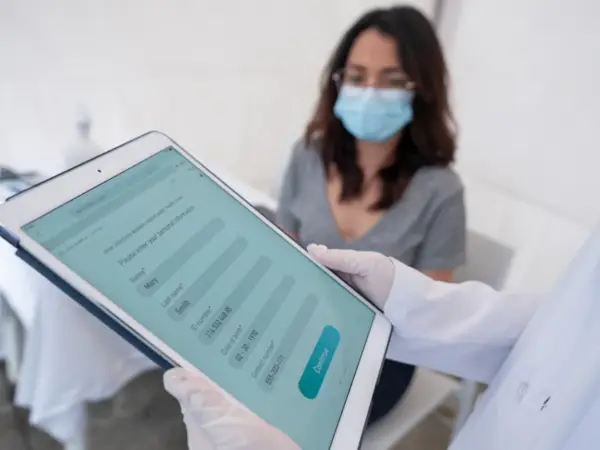
Enhancing Public Health Surveillance with Survey and Electronic Health Record Data Integration
Integrating survey data with electronic health records can modernize public health surveillance, delivering more timely, cost‑effective insights to guide public health decisions.

Centers for Research in Emerging Infectious Diseases (CREID)
RTI leads the CREID Coordinating Center, supporting a global research network to detect emerging pathogens early, strengthen outbreak response, and improve preparedness for future pandemics.

Public Health and Well-Being
RTI advances public health through research, evaluation, and collaboration—designing evidence-based programs that inform policy, promote healthy behaviors, and help communities thrive.
Global Heath
RTI strengthens global health systems by partnering worldwide to tackle infectious diseases, improve maternal and child health, and help countries prepare for emerging health threats.

The Invisible Match: Humans vs. Microbes at the 2026 FIFA World Cup
International sporting events can be an economic boon and a fun experience, but they bring with them several unique health and security challenges. Epidemiologist Lauren Courtney offers insights on how health systems can prepare.
Request more information about our infectious diseases work or to connect with our experts
Disclaimer: This piece was written by Claire Quiner (Infectious Disease Epidemiologist) and Lauren Courtney (Senior Research Epidemiologist) to share perspectives on a topic of interest. Expression of opinions within are those of the author or authors.